








In short
- Car hire problems are among the most common reasons people contact the European Consumer Centres, mostly about damage charges, insurance and fuel.
- Photos and video at pick-up and return, a full-to-full fuel policy and a credit card in the driver’s name prevent most disputes.
- Even with zero excess you are often still liable for windscreen, underbody and tyres. Read that line before you pay for extra cover.
You land, you are tired, there is a queue at the desk. That is exactly when rental companies sell you extras you do not need and you skip the checks you do need. The European Consumer Centres (ECC) see the result every year: damage bills weeks later, fuel charges, blocked deposits. Here is the routine that keeps your money where it belongs.
Before you book
- Choose full-to-full fuel if you can. You pick it up full, return it full and pay only for what you use.
- Read what the price includes: insurance, excess amount, mileage, extra driver, one-way fee.
- Check if you may drive into other countries. Not every contract allows it.
- Winter trip? Ask if winter tyres or snow chains are included where the law requires them.
- Check what your own insurance covers. ECC Netherlands warns that Dutch travel and liability policies never cover a rental car abroad. Check your own policy before you assume.
Fuel policies explained
The ECC names three common schemes. Each has a catch.
- Full to full: the fairest. Risk: the company says the tank was not completely full and charges for topping up. Photo the fuel gauge and keep the last receipt.
- Full to empty: you prepay a full tank and return it empty. You do not get money back for fuel you did not use, and you rarely use it all.
- Pay for what you used: the company refuels and bills you, often at a high price per litre.
The deposit and the credit card
Most rental companies want a credit card. It is the guarantee for the deposit, the excess, damage and traffic fines. The deposit is blocked on your card until you return the car. Make sure the limit is high enough for your holiday spending on top.
The name on the card must match the main driver on the contract. Otherwise the company may refuse to hand over the car, and your booking is gone.
At pick-up: the 10-minute check
- Walk around the car and film it slowly, including roof, bumpers, wheels and windscreen.
- Photograph every scratch, dent and chip. Make sure each one is marked on the handover sheet before you sign.
- Photograph the fuel gauge and the odometer.
- Check the tyres and that the legally required kit for that country is in the boot.
- Do the same again at return, ideally with a staff member signing that the car is fine.
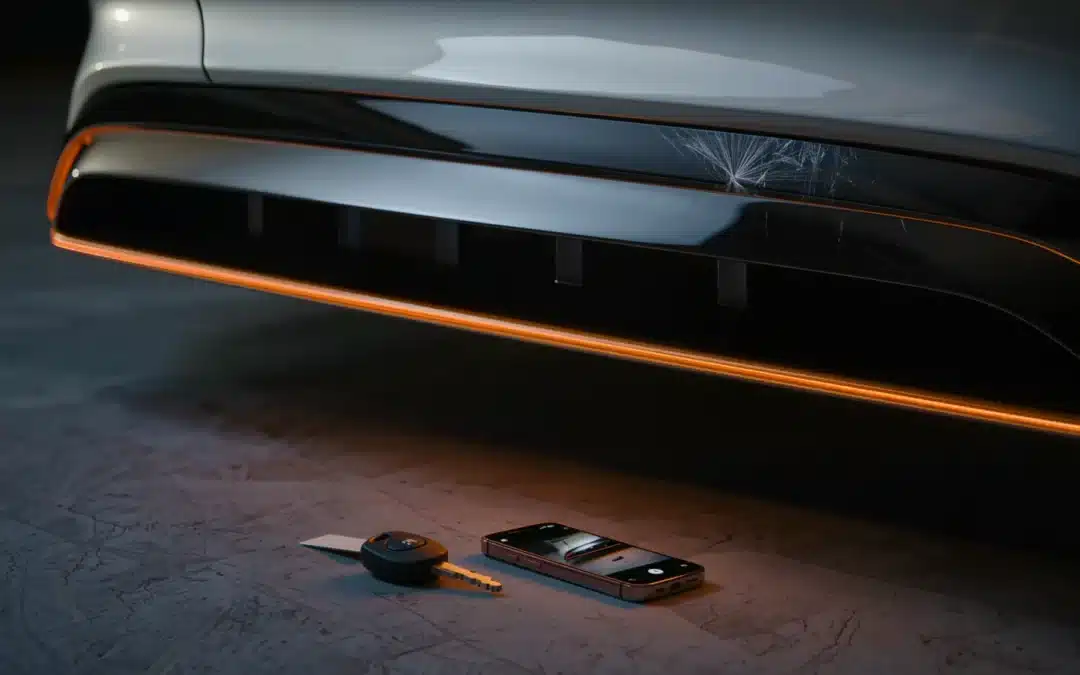
Why the video? ECC Czech Republic describes a typical case: a scratch appears after you returned the car, maybe made later in the rental car park, and the repair is charged to your card. Your time-stamped video is your proof.
Excess and zero-excess cover
The excess is what you pay if the car is damaged. ECC Netherlands says the amount depends on the country and the company. Some include it in the price, others sell a reduction at the counter.
Here is the trap. Even if you reduce the excess to zero, you are often still liable for damage to the windscreen, the underbody and the tyres. Read the exclusions before you say yes at the desk.
Mistakes to avoid
- Signing the handover sheet without checking the marked damage.
- Returning the car outside opening hours without photos.
- Buying zero-excess cover at the desk without reading what it excludes.
- Using a debit card or a card in someone else’s name.
- Ignoring a damage bill. Answer in writing and ask for photos and repair invoices.
Do the math: Example with a 50-litre tank and petrol just under €2 per litre, the German average in November 2026 according to ADAC. A prepaid full tank costs about €100. Bring it back half full and you have paid about €50 for fuel you never used. With full-to-full you pay only the litres you burn. Five minutes of photos at pick-up cost you nothing and can save you a damage claim worth more than the whole rental.
FAQ
Where do I complain about a rental company in another EU country? First in writing to the company. If the company is a member of the European Car Rental Conciliation Service (ECRCS), use it. Otherwise contact the European Consumer Centre in your country. Their help is free.
Do I need a credit card to rent a car? Most companies require one, in the main driver’s name, with enough limit for the deposit.
Is zero-excess insurance worth it? Sometimes. But it often excludes windscreen, underbody and tyres. Compare what it covers with what you already have before paying.
Ivan’s Take
I treat the pick-up like buying a used part: photos of everything, no signature until the sheet matches the car. Full-to-full fuel, a credit card in my name and a short video at return. It costs ten minutes and saves me arguing by email for six weeks.
Sources: ECC Netherlands; ECC Czech Republic; ADAC fuel prices.
Published:
More from this section

The AvtoGear weekly
Once a week: new tests, the best deals and one useful tip for your car. Nothing extra.
