








In short
- In the Finlex texts I read, no Finnish statute deals specifically with dash cams, and no fixed traffic fee exists for having one.
- Privacy crimes still apply: secretly recording speech and covertly filming in protected places carry a fine or up to 1 year in prison (Criminal Code ch. 24, §§ 5–6).
- I could not check the Data Protection Ombudsman’s guidance for this article, so I claim nothing about publishing footage. Check tietosuoja.fi first.
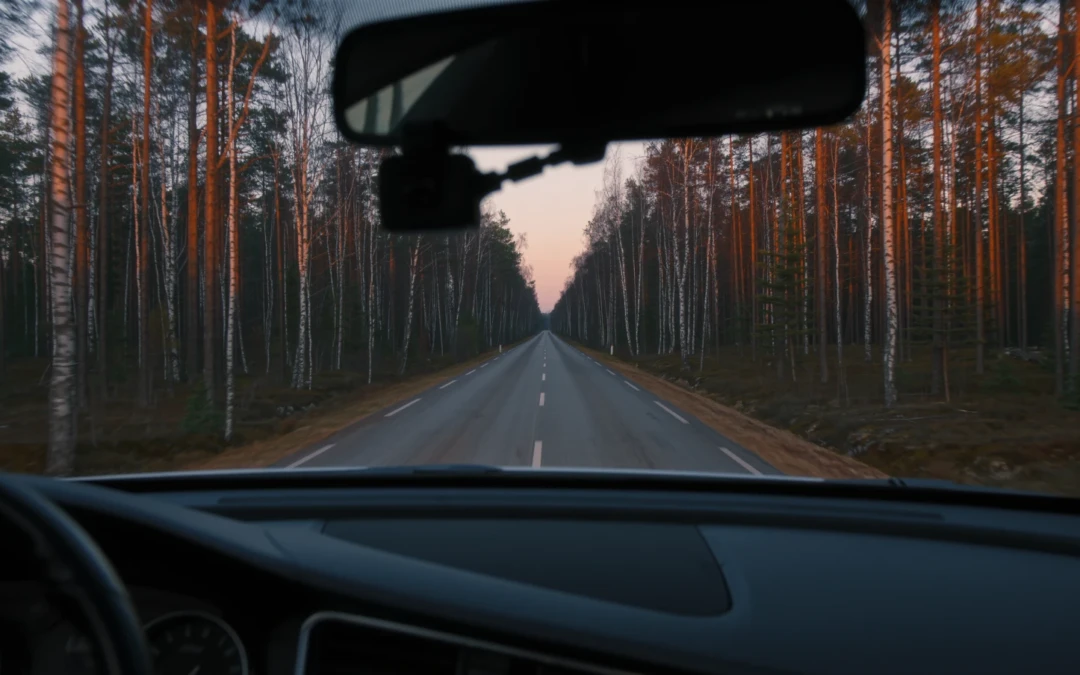
You fit a dash cam to protect yourself after a crash. In Finland the traffic law is silent on it, but the privacy rules in the Criminal Code are not. Here is what the official texts say, and where my checking stopped.
What the Traffic Act says
I searched the Traffic Act (tieliikennelaki 729/2018, consolidated text including amendment 281/2026) and found no section on dash cameras. The one rule that touches you is § 98(1): a technical device or system may not be used while driving in a way that hinders or endangers driving. Mount the camera before you set off and do not fiddle with its screen on the move.
Because the Act names no fee for owning or using a dash cam, I do not give you one. An invented penalty would mislead you.
Data protection: where my verification ended
The Data Protection Act (tietosuojalaki 1050/2018, § 2) says it applies according to the scope of Article 2 of the EU General Data Protection Regulation. Whether your private recording falls inside that scope is not answered in the Finnish statute. The Data Protection Ombudsman’s own dash cam guidance is the right source, but I could not check it for this article. So: if you film only for your own insurance claim, I found nothing that forbids it. If you plan to publish footage or film for work, ask the Ombudsman first.
Privacy crimes in the Criminal Code (rikoslaki, chapter 24)
- § 5 Eavesdropping (salakuuntelu): unlawfully listening to or recording, with a technical device, speech not meant for you, when the speaker has no reason to expect outsiders to hear it. In a place protected by domestic peace, it covers any conversation or private-life sound. Fine or up to 1 year; the attempt is punishable.
- § 6 Covert observation (salakatselu): unlawfully watching or filming, with a technical device, a person in a home-protected place, a toilet, a changing room or similar, or in a building, flat or fenced yard closed to the public, violating their privacy. Fine or up to 1 year; the attempt is punishable.
- § 7 Preparation: placing a device for use in such eavesdropping or observation: fine or up to 6 months.
What follows for a driver? A public road is not on the list in § 6. A fenced yard closed to the public is. If your camera has a parking mode and you leave the car in a housing-company yard, think about who walks in front of the lens. The microphone is the other sensitive point: § 5 is about speech, not pictures.
Police can film you too
Under § 181(2) of the Traffic Act the police and border guard may film vehicles in traffic for supervision, also automatically and continuously, but not premises used for permanent housing. A vehicle-based fee, for example for a handheld phone or speeding, needs a photo or recording that identifies the driver (§ 161). Your own camera changes nothing about that.
Foreign drivers and rental cars
I found no Finnish text that makes an exception for visiting drivers or that bans bringing a camera into the country. For a rental car, read the rental contract: that is a private-law matter, not law I verified.
A sensible set-up, built from the rules above
- Mount it where it does not block your view of the road, because § 98 is about hindering driving.
- Set it up before you leave, never on the move.
- Decide about the microphone: § 5 concerns speech, not pictures.
- Treat footage of other people as sensitive until you have read the Ombudsman’s guidance.
- I found no official statement on how footage counts as evidence, so do not count on it.
Mistakes I see most often
- Leaving the microphone on and posting the sound online.
- Posting footage of strangers without reading the Ombudsman’s guidance first.
- Fiddling with the screen while driving: that is a § 98 problem, not a privacy one.
Do the math: No fixed fee exists for a dash cam, so the cost of a mistake comes from criminal law. Fines there are in day-fines (päiväsakko), from 1 to 120, and one day-fine is 1/60 of your average monthly income after deductions (Criminal Code ch. 2a, §§ 1–2). The maximum of 120 day-fines is therefore two months of that adjusted income, tailored to you. I cannot give you a euro figure: it depends on your income.
FAQ
Is a dash cam banned in Finland? I found no Finnish statute that bans dash cams or regulates them specifically, and no fixed fee. That is a statement about the texts I read, not a guarantee.
Can I record sound? Be careful. Criminal Code ch. 24 § 5 punishes secretly recording speech not meant for you, in conditions where speakers do not expect outsiders to hear it.
Where do I check before posting footage? With the Data Protection Ombudsman at tietosuoja.fi, and in the Finlex texts named below.
Ivan’s Take
Buy one, mount it low behind the mirror, and think about the microphone. I would switch the sound off. A picture of the road is rarely the problem; recording people’s speech is where Finnish law has teeth. And I tell you plainly what I could not read, because a made-up rule costs you more than a gap in my answer.
Sources: Tieliikennelaki 729/2018 (Finlex); Rikoslaki 39/1889, luvut 2a, 24 (Finlex); Tietosuojalaki 1050/2018 (Finlex).
Published:
More from this section
The AvtoGear weekly
Once a week: new tests, the best deals and one useful tip for your car. Nothing extra.
