








In short
- Tyre pressure monitoring has been mandatory for new cars in the EU since November 2014. Older cars can be retrofitted.
- The easiest option: sensors that screw onto the valve caps and send data to a display. Auto Zeitung lists kits at about €26 to €38.
- Do the math: a cap kit costs a fraction of a built-in direct system, which can reach €500 per wheel set. It does not replace checking the pressure yourself.
Low tyre pressure raises fuel use, wears tyres faster, lengthens braking and cuts grip on wet roads. New cars warn you. Your older car does not. A retrofit can fix that for the price of a tank of fuel.
What TPMS is
TPMS (tyre pressure monitoring system) watches the pressure while you drive and warns you with a dashboard light when it drops. Since November 2014 every newly registered passenger car in the EU needs one, under EU regulation 661/2009.
Direct or indirect
- Direct systems use pressure and temperature sensors at each wheel, usually on or in the valve. They detect slow air loss and show each wheel. Downsides: higher cost, sensors must be learned after a tyre change, and the batteries are not rechargeable and last roughly six to ten years.
- Indirect systems use the ABS wheel speed sensors. A wheel with less pressure turns faster. They are cheaper and simpler, but less exact. Carmakers choose which one to fit.
Your retrofit options
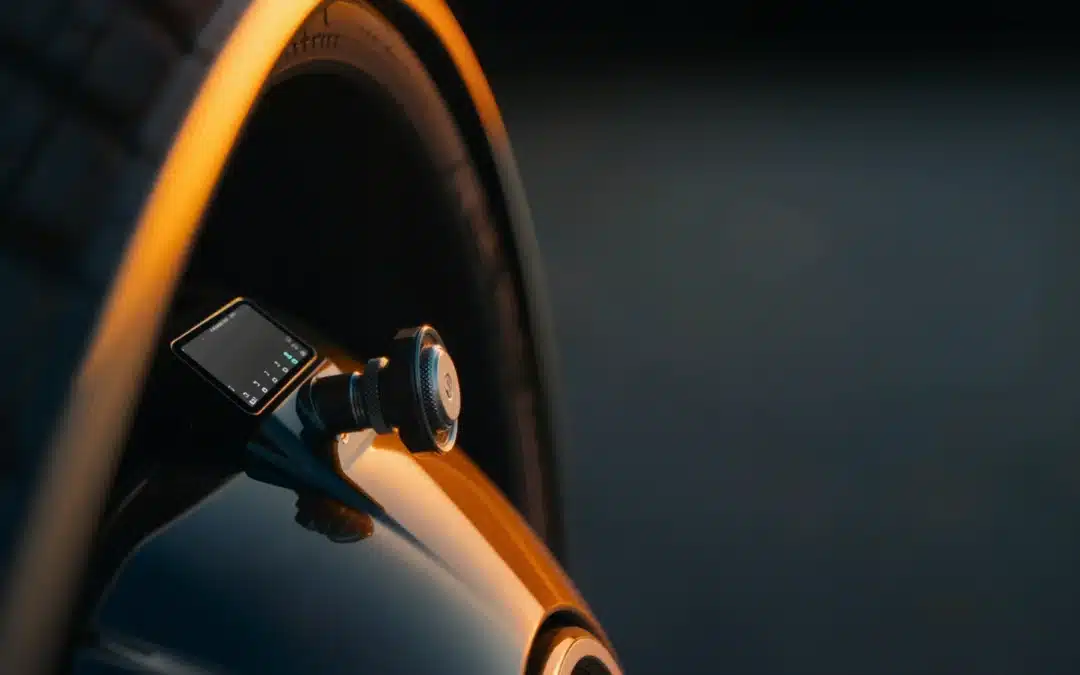
The easiest way to retrofit an older car is a set with sensors that screw onto the valve caps. They sit outside the tyre, mostly measure well, and send data by radio or Bluetooth to a display in the car. Some displays run on batteries or a plug, others on a small solar panel.
Sensors inside the valve are different. A professional usually has to fit them, and that gets much more expensive.
Auto Zeitung lists cap kits at about €26 (KAOLALI) and €38 (Airpuxem) at the time of its article. Prices move, so check before you buy.
What the real cost looks like
- Original sensors from the carmaker: €30 to €120 each, according to the German tyre trade association BVR.
- Whole direct system per set of wheels: up to €500.
- Universal programmable sensors from other makers: often €40 to €50 per tyre.
- Extra work at wheel changes: 18 to 25 minutes per wheel. At €60 an hour that is up to €100 more for four wheels.
Limits you should know
- It does not replace the gauge. The ADAC still recommends checking pressure every two weeks.
- A direct system needs its sensors learned after tyre changes, so the car knows which wheel is which.
- If your car has a built-in system, driving without working sensors gives a permanent warning. In Germany, since May 2018, a car whose type approval depends on a working system can be refused the HU sticker.
- Not every car can be retrofitted with every system. Check the product against your model.
Mistakes to avoid
Leaving the sensors out when you buy new wheels to save money. You get a constant warning and maybe trouble at the inspection.
Buying a kit and never looking at the display. A sensor you ignore saves nothing.
Ordering without checking compatibility. Always match the sensor type to your car.
Do the math: A cap kit at roughly €26 to €38 is the cheap way to get a warning on an older car. A built-in direct system can reach up to €500 per set of wheels, and the BVR adds up to €100 labour at wheel changes. The BVR also expects TPMS to pay back through longer tyre life and lower fuel use, because creeping pressure loss gets caught. I would not count on that for the cheap kit. Count on the warning.
FAQ
Is TPMS mandatory on my old car? The EU duty applies to new cars. Cars registered before the rule do not need it, but you can retrofit one.
Do I still need a pressure gauge? Yes. The ADAC recommends a manual check every two weeks, even with TPMS.
Can I just skip sensors on new winter wheels? If your car has a built-in system, no. You get a permanent warning, and in Germany it can cost you the HU sticker.
Ivan’s Take
For an older car without a warning system, a valve-cap kit is the cheapest real safety upgrade I know. Do not expect a factory system for €30. Buy it, look at the display, and still check the gauge every two weeks.
Sources: AUTO ZEITUNG – Reifendruckkontrollsystem: Nachrüst-Kosten, Pflicht und Nutzen (02.04.2026).
Published:
More from this section


The AvtoGear weekly
Once a week: new tests, the best deals and one useful tip for your car. Nothing extra.
