








In short
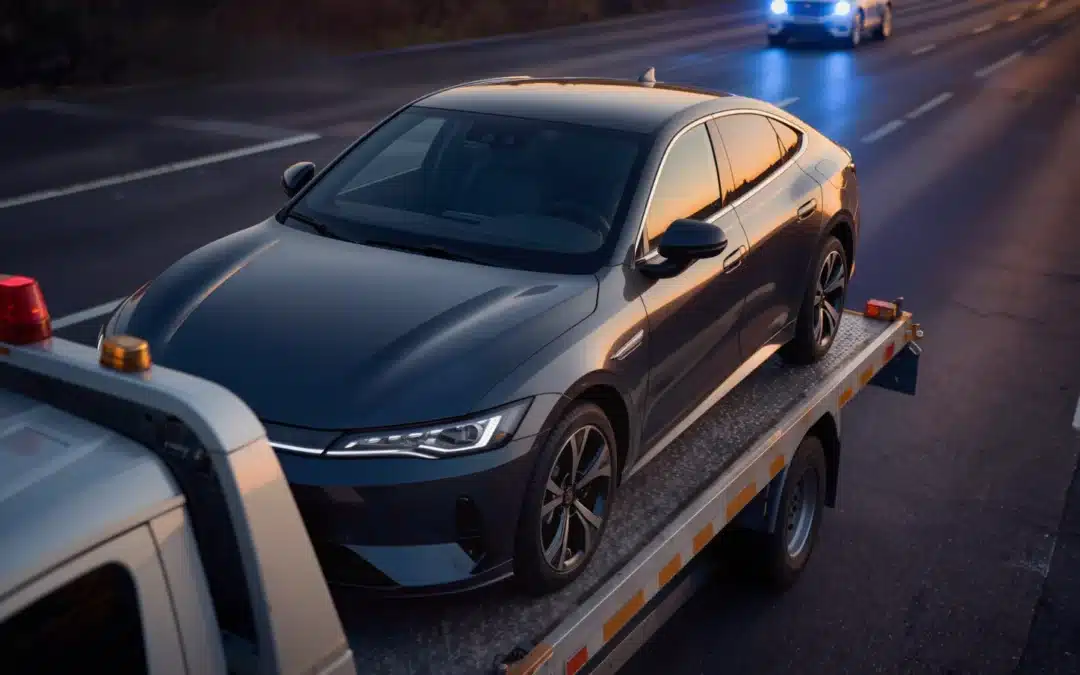
- Police temporarily seize the vehicle of a repeat reckless-driving offender at the roadside.
- The repeat condition is a previous reckless-driving punishment within the preceding two years.
- Temporary seizure lasts pending the final court decision; permanent confiscation is a separate measure the court may impose.
Bosnia and Herzegovina has added the car itself to the consequences of repeated reckless driving. The amendments published in the Official Gazette of Bosnia and Herzegovina No. 35/26 allow police to take a vehicle immediately from a driver who falls within the repeat-offender rule. This is more than a fine or a later driving ban: the driver can lose possession of the car at the roadside while the case moves toward a final court decision.
The repeat-offender rule
Article 42a defines reckless driving through four high-risk behaviours: two or more red-light violations within 20 minutes; exceeding the limit by more than 40 km/h in a settlement or more than 60 km/h outside a settlement; overtaking a line of vehicles by crossing or driving on a solid longitudinal line; or driving with more than 1.50 g/kg of alcohol in the blood or under the influence of drugs or psychoactive substances.
The seizure rule applies when the person is again committing reckless driving after already being punished once for reckless driving during the previous two years. The time window and the previous punishment both matter. This is not a general power to seize every vehicle after every ordinary traffic offence, and it is not triggered merely because a driver has received any unrelated ticket in the past.
What police do at the roadside
When the statutory repeat condition is met, the police officer temporarily seizes the motor vehicle on the spot. The law ties that temporary measure to the period until a final court decision. The roadside action therefore protects the procedure and removes the vehicle from the repeat offender’s immediate control; it does not by itself settle who ultimately keeps the vehicle.
Drivers should distinguish this step from a monetary penalty. Handing over the vehicle does not replace the reckless-driving fine, driving prohibition or penalty points. The underlying offence still carries its own sanctions under Article 234b. For reckless driving without a resulting crash, the fine is 2,000–3,000 KM (€1,022.58–€1,533.88), with a six-month driving prohibition and two penalty points.
- Bosnia and Herzegovina: aftermarket LED and xenon bulbs, spotlights and roof bars under the vehicle rulebook
- Bosnia and Herzegovina: after a minor crash you clear the road and sign the European report, but with injuries you wait for the police
- Bosnia and Herzegovina: what to keep in the glovebox so a police stop costs you nothing
Temporary seizure is not permanent confiscation
Temporary seizure is the immediate police measure pending the final court decision. Permanent confiscation is a separate legal consequence that may be imposed by the court where the statutory conditions are satisfied. The wording matters: a police officer takes the vehicle temporarily at the roadside, while the final loss of the vehicle requires the court process described by the amendment.
If reckless driving causes a traffic accident, Article 234b raises the fine to 3,000–5,000 KM (€1,533.88–€2,556.46), extends the driving prohibition to nine months and provides four penalty points. The amendment also permits permanent confiscation under the relevant Article 42a conditions. Do not present confiscation as an automatic result in every reckless-driving case; the law frames it as a measure that may be imposed.
What if the car belongs to someone else?
The official amendment text establishes the roadside seizure and court procedure, but this guide will not invent an ownership exception that is not stated in the cited provisions. If the registered owner, leasing company or rental company is different from the driver, contact that owner immediately and obtain local legal advice using the seizure document. Ownership, contract and procedural rights must be handled in the actual case, not guessed from a general article.
Foreign drivers and rental cars
The rule is written around the person committing reckless driving and the vehicle used. It does not publish a tourist exemption. A foreign driver should expect the same roadside procedure when the statutory repeat-offender conditions can be established. With a rental or leased vehicle, notify the company through the contract contact as soon as police take control of the car. Rental administration, recovery or loss-of-use charges are contractual matters and are not part of the statutory fine quoted here.
Common mistakes I see
- Calling the roadside seizure a final confiscation. It is temporary pending the final court decision.
- Assuming any previous traffic ticket creates the two-year repeat condition. The cited rule refers to a previous punishment for reckless driving.
- Thinking the car replaces the fine. The underlying monetary penalty, driving prohibition and points remain separate consequences.
Do the math: The lowest basic reckless-driving fine is 2,000 KM (€1,022.58). The financial exposure can be much larger when a car is unavailable, especially if it is rented or essential for work. The cheaper choice is not a workaround for seizure; it is avoiding the four behaviours in Article 42a.
FAQ
Does police seizure mean the car is already permanently lost? No. The police measure is temporary and lasts pending the final court decision. Permanent confiscation is a separate court measure.
What makes someone a repeat offender for this rule? The amendment refers to a person committing reckless driving who was already punished once for reckless driving during the previous two years.
Can the fine still be imposed when the car is seized? Yes. Seizure concerns the vehicle. Article 234b separately provides the fine, driving prohibition and penalty points for the offence.
Where to check
Read Official Gazette of Bosnia and Herzegovina No. 35/26, particularly Article 42a and the related sanction provisions in Article 234b. Use the Central Bank of Bosnia and Herzegovina for the fixed conversion of 1 EUR = 1.955830 KM. In an actual seizure case, follow the police and court documents served on the driver or owner.
Ivan’s Take
A repeat offender who risks the same dangerous behaviour again should not expect the car to remain available for another attempt. But the legal distinction still matters: police seize temporarily, and the court decides the final outcome. Keep the document, call the owner if it is not your car and do not confuse a social-media summary with a court instruction.
Sources: Official Gazette of Bosnia and Herzegovina No. 35/26; Central Bank of Bosnia and Herzegovina – fixed exchange rate.
Published:
More from this section
The AvtoGear weekly
Once a week: new tests, the best deals and one useful tip for your car. Nothing extra.
