








In short
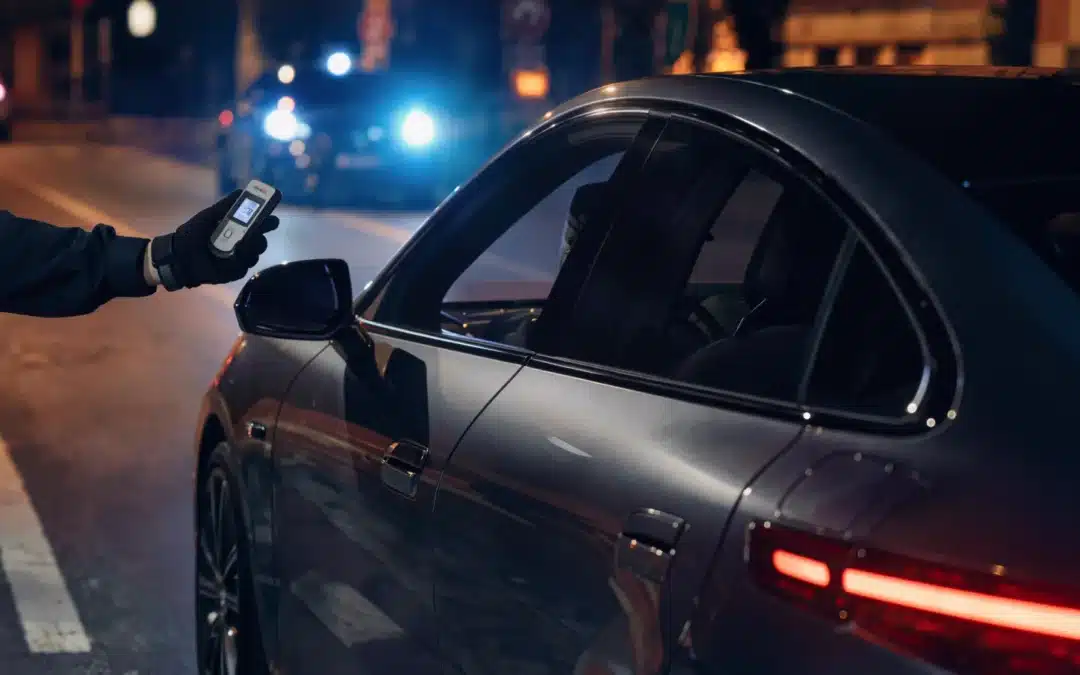
- More than 1.50 g/kg of alcohol in the blood is one of the acts defined as reckless driving in Bosnia and Herzegovina.
- A driver over that level may be held until the effect ends, for no longer than 12 hours.
- A driver who refuses an alcohol or drug test while showing signs of impairment may also be held for up to 12 hours.
Bosnia and Herzegovina has paired its new reckless-driving offence with a clear police power to remove a severely impaired driver from the road. The amendments in Official Gazette No. 35/26 set a maximum detention period of 12 hours in the circumstances described by Article 224. The threshold, test refusal and later penalties are separate legal questions.
The 1.50 g/kg threshold
Article 42a defines driving with more than 1.50 g/kg of alcohol in the blood as reckless driving. The wording is “more than” 1.50 g/kg. The same reckless-driving definition also covers driving under the influence of drugs or other psychoactive substances. This threshold does not mean lower alcohol readings are permitted; lower levels remain governed by other provisions. It identifies the level that places the conduct inside the new reckless-driving category.
Article 224 deals with the immediate police response. A driver with more than 1.50 g/kg may be detained until the effect of the alcohol ends, but the detention may not last longer than 12 hours. The purpose and duration are tied to the impairment, with 12 hours as the statutory ceiling rather than an automatic fixed period in every case.
Refusing a test when impairment is visible
The amended Article 224 also covers a driver who refuses testing for alcohol, drugs or other psychoactive substances while showing signs of impairment. In that situation, police may detain the driver until the effect ends, again for no longer than 12 hours. The two conditions in the published wording matter: refusal of the test and signs showing that the driver is under the influence.
Do not merge this provision into a claim that every refusal automatically proves a blood-alcohol level above 1.50 g/kg. The detention rule gives police an immediate safety measure in the stated circumstances. The underlying offence, evidence and final sanction are handled through the applicable legal procedure.
- Bosnia and Herzegovina: with a roof box and bikes on the back, lights and plate stay visible and overhang is capped
- Bosnia and Herzegovina: aftermarket LED and xenon bulbs, spotlights and roof bars under the vehicle rulebook
- Bosnia and Herzegovina: your own number plates are fine on holiday, but a move starts a three-month clock
Detention is separate from the road penalty
The maximum 12-hour detention is not the fine, the driving prohibition or the penalty points. It is an immediate measure that keeps an impaired driver off the road. When the conduct qualifies as reckless driving under Article 42a, Article 234b separately provides the sanctions for that offence.
- Reckless driving without a resulting crash: 2,000–3,000 KM (€1,022.58–€1,533.88).
- Driving prohibition: six months.
- Penalty points: two.
- Police detention under Article 224: until the effect ends, maximum 12 hours, when its conditions are met.
The euro figures use the official fixed Central Bank rate of 1 EUR = 1.955830 KM. The law states the monetary sanction in convertible marks; the euro values are conversions for readers.
If the impaired driving causes a crash
When reckless driving causes a traffic accident, Article 234b raises the fine to 3,000–5,000 KM (€1,533.88–€2,556.46). The driving prohibition becomes nine months and four penalty points apply. Permanent confiscation of the motor vehicle may additionally be imposed under the statutory conditions. None of those later consequences turns the 12-hour police detention into a substitute for the court process.
Foreign drivers and rental cars
The cited provisions do not publish a visitor exemption. A foreign driver can be removed from the road and handled under the same immediate safety rule when the statutory conditions are present. If the vehicle is rented, contact the rental company after the police instructions allow it. Administration, recovery or loss-of-use charges come from the contract, not from the 12-hour detention provision.
Keep the test record, police document and any notice stating the legal basis and time. If you need an interpreter or legal advice, request it through the competent procedure. Do not sign a document you do not understand simply because the detention has a maximum duration.
What to do before the keys come out
- Choose a driver who will not drink or use impairing substances.
- Use a taxi or other transport instead of trying to calculate how close you are to a legal threshold.
- Do not treat refusal of a test as a shortcut out of the procedure.
- If medicine may impair driving, follow the medical and package instructions and do not drive when warned against it.
Common mistakes I see
- Saying that 1.50 g/kg is the general legal limit. It is the threshold cited here for the reckless-driving category; lower readings can still be offences.
- Calling the 12 hours a mandatory sentence. Article 224 says detention until the effect ends, with 12 hours as the maximum.
- Assuming refusal erases the evidence problem. Refusal plus visible impairment is specifically addressed by the detention rule.
Do the math: A taxi costs a fraction of the minimum 2,000 KM (€1,022.58) reckless-driving fine. Add six months without driving, two points and up to 12 hours in detention, and the “one more drink” calculation has no sensible financial side.
FAQ
Is 1.50 g/kg the permitted alcohol limit? No. This article explains the threshold that places conduct in the new reckless-driving category. Other alcohol offences can apply below it.
Must every detained driver stay exactly 12 hours? No. The provision says until the effect ends, with a maximum of 12 hours.
Does refusing the test prevent detention? No. A driver who refuses alcohol or drug testing while showing signs of impairment may be detained under Article 224 for up to 12 hours.
Where to check
Read Official Gazette of Bosnia and Herzegovina No. 35/26, especially Articles 42a, 224 and 234b. Check the fixed KM/euro rate with the Central Bank of Bosnia and Herzegovina. For an individual case, follow the police and court documents served on the driver.
Ivan’s Take
Do not build a plan around the 1.50 figure. By the time that threshold matters, the problem is already a four-figure fine, months without driving and a possible night in custody. My rule is cheaper and clearer: if you drink, the car stays parked.
Sources: Official Gazette of Bosnia and Herzegovina No. 35/26; Central Bank of Bosnia and Herzegovina – fixed exchange rate.
Published:
More from this section
The AvtoGear weekly
Once a week: new tests, the best deals and one useful tip for your car. Nothing extra.
