








In short
- Astutus Research expects the replacement-tyre segment for 18-inch rims and above to grow by almost 50% between 2025 and 2030 in Western and Central Europe, while smaller sizes shrink (Tyrepress, 2 November 2026).
- Most of it comes from new SUVs and EVs leaving the factory on larger wheels. A smaller part comes from owners who choose bigger wheels.
- Money angle: bigger wheels mean pricier tyres, and upgrades need the right bolts and an alignment.
Your next tyres will probably have a bigger rim behind them than your last ones.
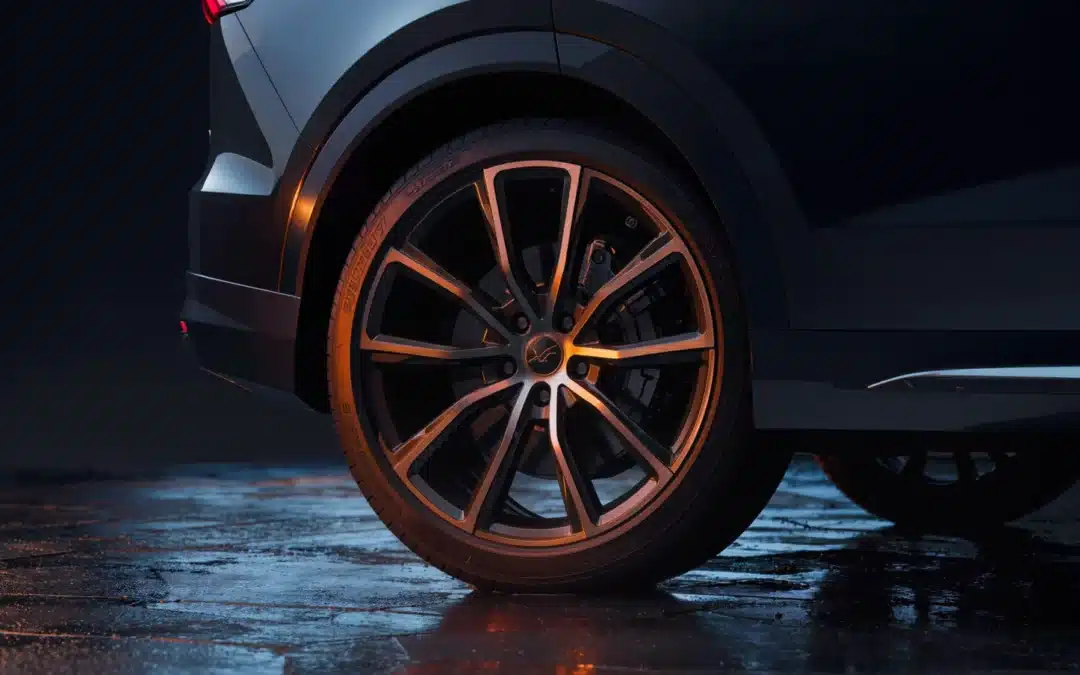
Tyrepress reports that growth in the replacement car-tyre market is concentrated in tyres for 18-inch rims and above. Astutus Research expects that segment to grow by almost 50% between 2025 and 2030 across Western and Central Europe, while smaller sizes contract. Most of the shift comes through original equipment, as SUVs and EVs leave the factory on larger wheels.
What is behind it
New cars arrive on big wheels, so the replacement tyres follow years later. A second stream comes from owners who change wheels by choice. Tyrepress talked to Awesome GTI, a Manchester specialist that has tuned and fitted VW, Audi, SEAT and Skoda cars since 1989. Its view: the tyre is often where a chain of upgrades ends.
- Brakes: bigger brake kits carry bigger discs. A 360 mm by 34 mm disc kit, for example, only clears the calipers behind a larger wheel. That commits the car to a bigger rim and lower-profile tyres.
- Suspension: lowering springs and coilovers change the geometry. Left unchecked, camber shows up months later as wear on the inner shoulder of a front tyre. The shop advises a four-wheel alignment with new suspension.
- Spacers: the bolt seat matters. Factory VAG alloys use a radius seat, many aftermarket wheels use a taper. A bolt with the wrong seat will not clamp the wheel as designed.
What it costs you
A larger size usually means a dearer tyre. The source gives no prices, so I do not quote any.
Pros and cons of going bigger
- Pro: more choice of sizes where the market grows.
- Pro: the look and the room for bigger brakes.
- Con: dearer tyres and, as smaller sizes shrink, less choice in them.
- Con: lower profile, less cushion against potholes and kerbs.
Who it is for
For anyone who buys a new SUV or EV and for tuners. If you change wheels, check the load index, the bolt seat and the alignment, not only the look.
Ivan’s Take
Bigger wheels look good and cost more, every time. Before you go up a size, ask what the next set costs, not what the first one looks like. And never fit spacers or new wheels without checking the bolt seat. I would rather pay for an alignment than replace a tyre early.
Source: Tyrepress
Published:
More from this section


The AvtoGear weekly
Once a week: new tests, the best deals and one useful tip for your car. Nothing extra.
